This guide is for installers, assemblers and resellers in the Philippines who build or supply LiFePO4 storage for brownout backup and solar self-consumption. Rotational brownouts, scheduled maintenance outages and storm-related interruptions all make backup hours a common question from end customers. The figures below are a worked planning example with assumed wattages, not a design for a specific site.
1. Start from the pack energy
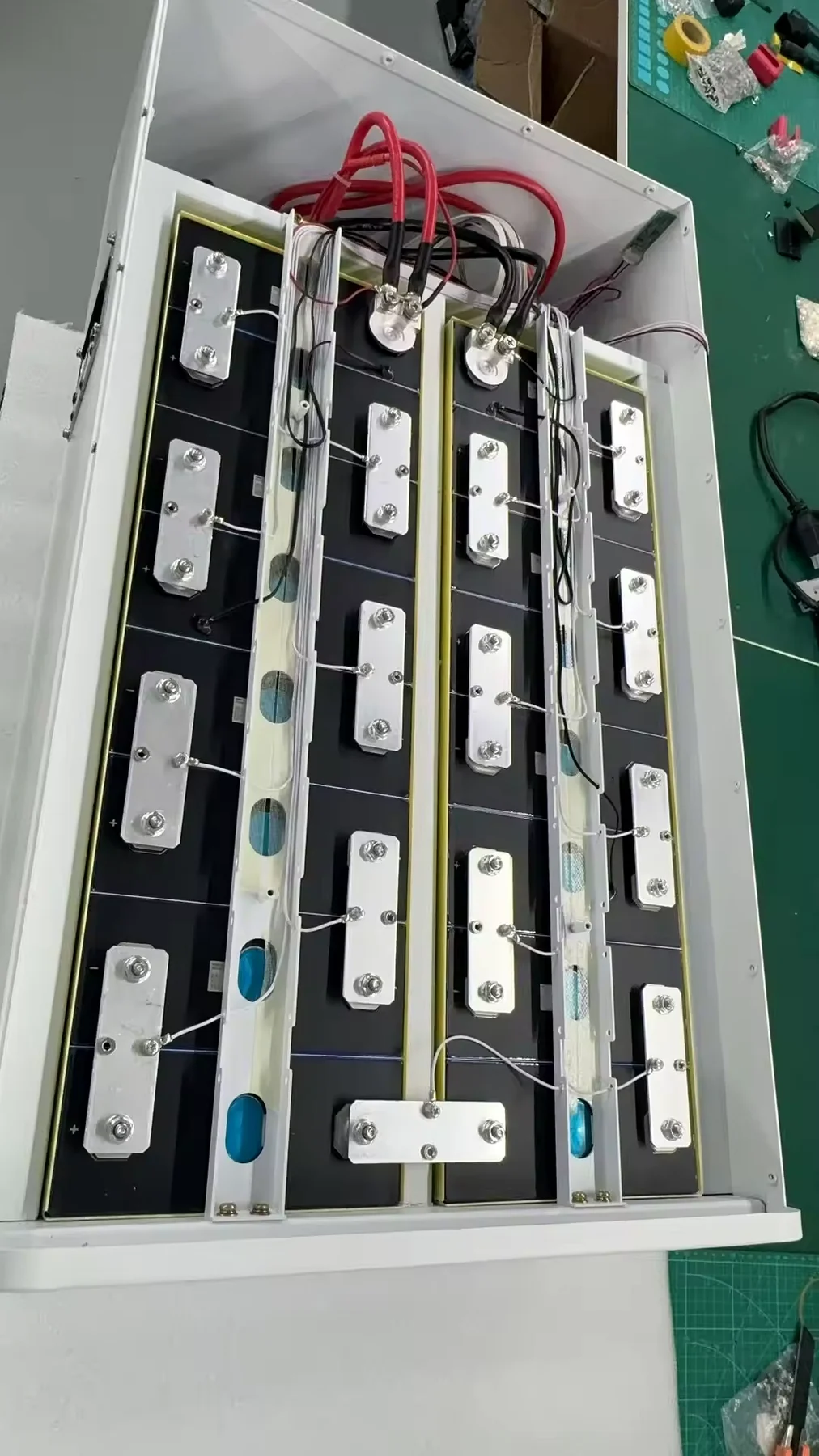
A 16S pack built from sixteen 3.2V 314Ah LiFePO4 cells has a nominal voltage of about 51.2V and a nominal energy of about 16.08kWh. Not all of it should be planned as usable energy: leave a margin for the BMS cut-off, cell balance and ageing, and subtract inverter losses. This example assumes 80% usable energy and 90% inverter efficiency; replace both with the figures for your inverter and your design rules.
| Step | Basis | Result |
|---|---|---|
| Nominal pack energy | 16 × 3.2V × 314Ah | ≈16.08kWh |
| Usable share assumed | 80% depth of discharge | ≈12.86kWh |
| After inverter losses | 90% inverter efficiency assumed | ≈11.58kWh delivered to loads |
| Example load above | 6-hour brownout, with air conditioner | ≈5.14kWh |
| Example load without air conditioner | Lights, fans, fridge, router, TV | ≈2.34kWh |
2. List the loads for a typical brownout
Ask the end customer which appliances must keep running and for how many hours. The wattages below are illustrative averages; use nameplate figures or measured readings for a real site.
| Load | Average power | Hours | Energy |
|---|---|---|---|
| LED lighting | 60W | 6 hours | 0.36kWh |
| Electric fans | 150W | 6 hours | 0.90kWh |
| Refrigerator (average draw) | 100W | 6 hours | 0.60kWh |
| Wi-Fi router and phone charging | 30W | 6 hours | 0.18kWh |
| Television | 100W | 3 hours | 0.30kWh |
| 1HP inverter air conditioner (average draw) | 700W | 4 hours | 2.80kWh |
In this example the six-hour total is about 5.14kWh with the air conditioner and about 2.34kWh without it. With the assumptions above, that needs roughly 7.14kWh or 3.25kWh of nominal pack energy, so one 16.08kWh pack covers either case with reserve. At the full example load, the roughly 11.58kWh delivered by one pack lasts about thirteen hours; without the air conditioner it lasts much longer.
3. Check inverter current against the BMS
Energy decides how long the pack lasts; current decides whether it can run the loads at the same time. Battery current is roughly the inverter output power divided by the battery voltage and the inverter efficiency. A 5kW inverter at full output draws about 98A at 51.2V before losses and about 110A after them, more as the pack voltage falls. Motor starts from air conditioners, pumps and refrigerators add short surges on top.
The JK BMS model and current rating, and the breaker (2P 250A where confirmed), are confirmed for each kit before quotation. Send the inverter brand, model and rated power with the RFQ so the BMS current and breaker can be reviewed against it.

4. Decide when one pack is not enough
Larger homes, small shops and sites that run several air conditioners may need more than one pack, or a larger inverter. Parallel operation depends on the inverter, the BMS configuration and the communication setup between packs, so confirm it with the inverter supplier and in the kit quotation rather than assuming it.
Communication interfaces may include CAN and RS485 depending on the selected configuration. Check that the inverter supports the battery protocol you plan to use before the order is confirmed.
5. Plan the installation site
LiFePO4 cells age faster when they sit hot. Choose a shaded, ventilated indoor location away from direct sun, raise the enclosure above likely flood levels in flood-prone areas, and keep clearance for cooling and service. Installation work should follow the Philippine Electrical Code and be carried out or approved by a licensed electrical practitioner; check local permit requirements with your installer.
Request a kit sized for your site
Send the cell preference, inverter brand and model, rated power, number of packs, quantity and your destination city and port in the Philippines. The BMS current, breaker, display and communication interface are confirmed in writing before the quotation is issued.
Request a Philippines kit quoteSee the 16S 51.2V 314Ah assembly kit with JK BMS or the model-specific 314Ah cells. If you already have cells, read the 16S enclosure kit without cells checklist. For freight and customs, read importing LiFePO4 cells into the Philippines, and before comparing cell offers, Grade A vs Grade B 314Ah cells.
Source note: pack figures are nominal values for a 16S configuration of 3.2V 314Ah cells. Appliance wattages, usable share and inverter efficiency are illustrative assumptions for planning only. No runtime, cycle life, warranty or inverter compatibility is guaranteed.