“16S battery enclosure kit without cells” can describe several different parts sets. One quotation may include the case, BMS, display, breaker and connections; another may exclude some of them. A capacity label or assembled-product photo does not settle what fits or arrives. This guide is for teams with a qualified pack design and assembly process, not an electrical installation manual.
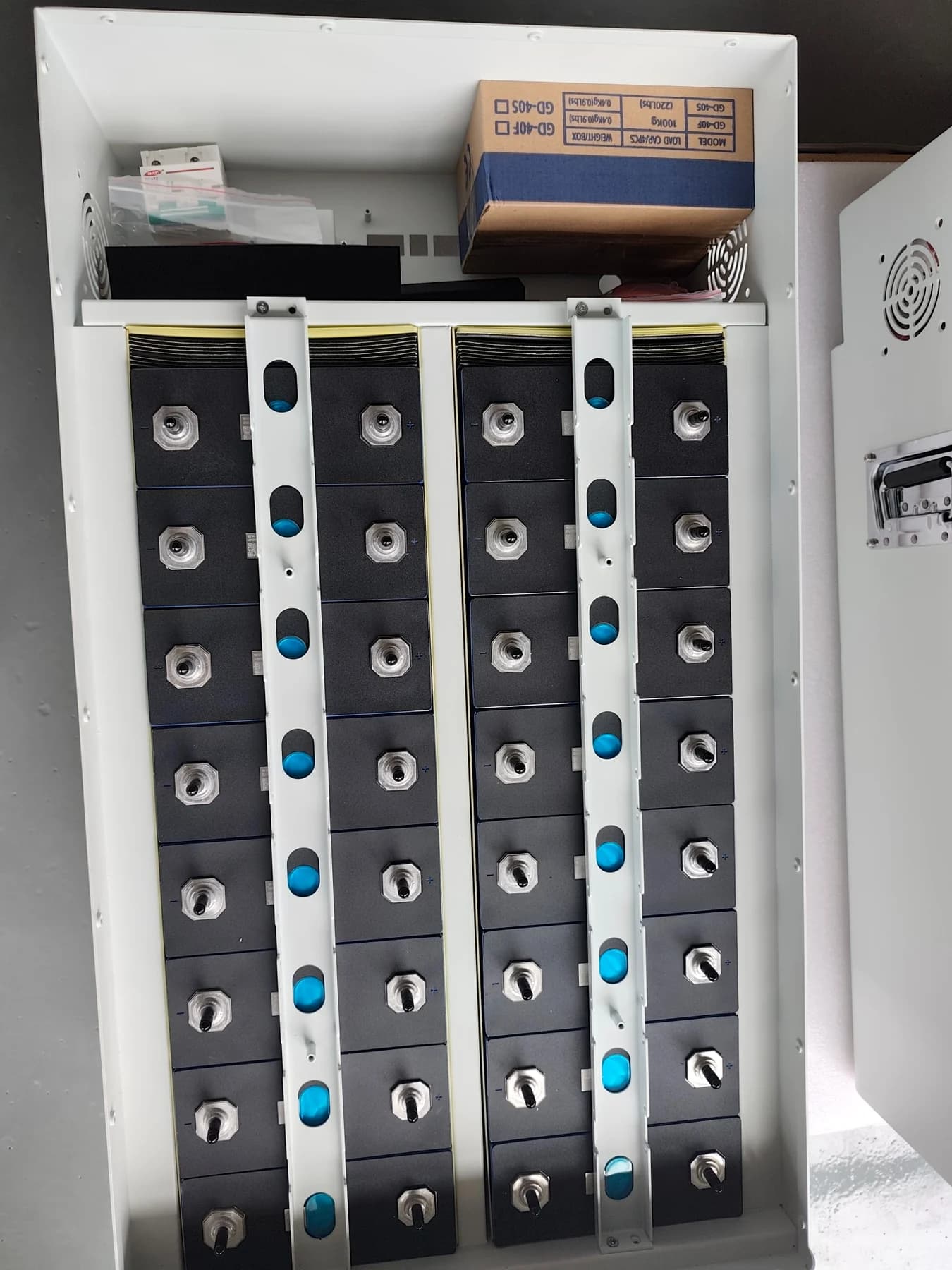
1. Record the cells you own or plan to buy
Start with manufacturer, exact model, nominal capacity, dimensions including terminals, terminal positions and the specification version available to your team. A top-view photo or drawing helps in the quotation discussion. State whether all sixteen cells are the same model and which terminal arrangement your build expects.
“314Ah” is a capacity label. Different 314Ah models can differ in outer dimensions and terminals. Case clearance, compression provisions, insulation and busbar geometry need review against the selected cells. If the model is not fixed, ask for a provisional scope instead of assuming universal fit. The 314Ah cell options are model references, not a promise that each fits every pictured enclosure.
2. Separate included and excluded parts
Ask the quotation to name the enclosure version and finish, JK BMS model and current, display if any, breaker, busbars, power and communication cables, insulation, terminals, hardware and other accessories. Record exclusions and whether the package arrives as loose components, partly fitted or another assembly state. A photographed display or port panel is only a configuration example until confirmed in the bill of materials.
Ask, “Which parts must our team still supply for the intended assembly?” Then review the current kit scopes and real photos before sending your requested list.
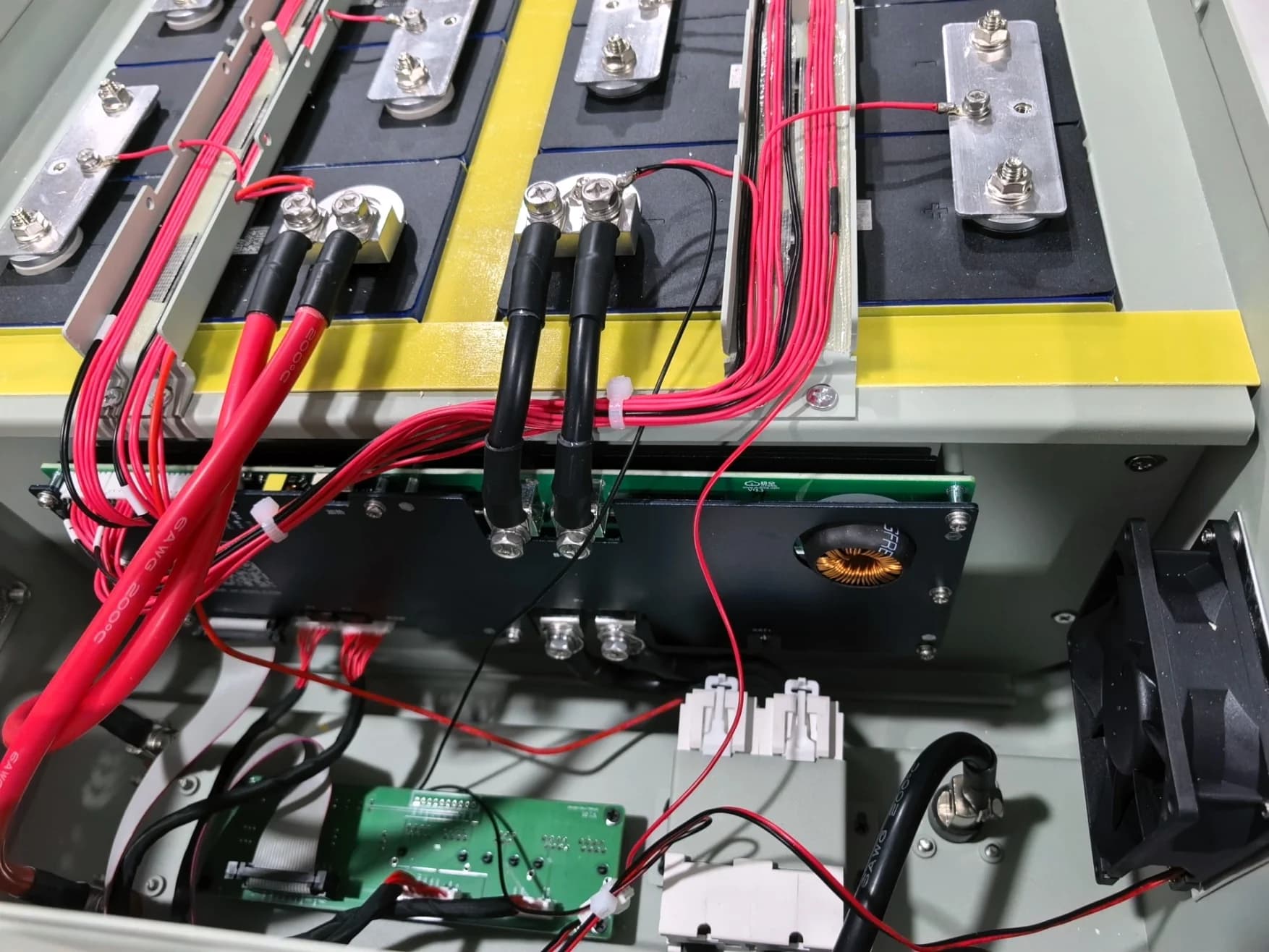
3. Specify BMS current and inverter communication separately
“JK BMS included” does not specify the system. Ask for the exact model and current rating. If you need inverter communication, provide the inverter brand, model and any required method or protocol details. CAN and RS485 name interface families; neither guarantees communication with a particular inverter. Put unresolved interface questions in the quotation rather than inferring compatibility from a port photo or another installation.
4. State the purchasing and delivery context
Give quantity, destination country and city, target purchase window and receiving arrangement. If another supplier provides the cells, say who provides them and where they would be received. Packing components and cells together depends on confirmed configuration, handling requirements and the transport plan. Ask who confirms the mechanical and electrical interface when separate suppliers are involved.
5. Check the written quotation
Before approving the commercial scope, check that the quotation addresses:
- The exact enclosure version and selected cell model or fit assumptions are named.
- Dimensions, terminal layout and proposed sixteen-cell arrangement have been reviewed, or open fit questions are marked.
- The JK BMS model and current are named; inverter communication is confirmed for the exact configuration or flagged for verification.
- Included parts, excluded parts and supplied assembly state are listed separately.
- Quantity, destination, receiving point and proposed packing scope are recorded.
- Requested specifications or component documents are identified by model, with availability confirmed.
If a point remains open, request a conditional quotation that names the outstanding decision. That keeps the purchasing record clear without presenting an unfinished configuration as final.
Send a useful first enquiry
State that you need an enclosure kit without cells. Include business role, cell model and dimensions, quantity, destination, purchase timing and inverter model if communication matters. In the RFQ, keep the preselected kit product, then select “BMS, enclosure and connection parts without cells” under Assembly scope. Use Additional requirements to list requested parts and exclusions. Have photos or drawings ready for the subsequent conversation; the web form does not offer file upload.
Open the kit RFQIf your scope changes to include cells, the assembly kit page describes that separate route, subject to supply and shipping review. To compare all three purchasing scopes, read the 314Ah cells vs assembly kit guide.
Source note: this checklist reflects Vianectra’s current kit scope, real enclosure images and model-specific cell records. No other supplier’s ratings, prices or availability are presented as Vianectra claims.