This guide is for battery assemblers, installers and importers in the Philippines and elsewhere who compare 3.2V 314Ah LiFePO4 offers from different suppliers. It explains why the grade label alone is not enough, and which checks make two offers comparable before you pay.
1. Grade is a market label, not a specification
Cell manufacturers publish specifications for a model: nominal capacity, voltage, weight, dimensions, internal resistance and test conditions. Terms such as Grade A, Grade B or “new Grade A” are mostly used by traders, and their meaning varies between sellers. One seller may mean new cells from a manufacturer batch; another may mean cells sorted from surplus or returned stock that still pass a capacity test.
For that reason Vianectra does not use Grade A as a product claim. The quotation names the exact cell model and the batch information available for the order, so you can verify it.
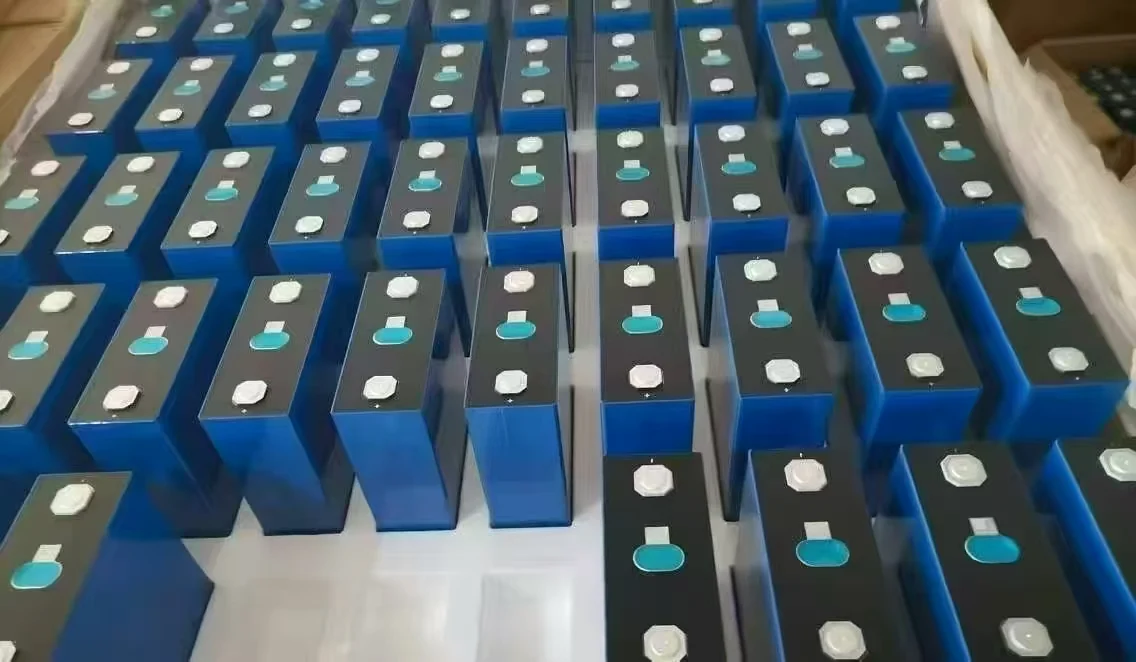
2. Start with the exact model and its specification
A model code gives you a reference for every later check. The 314Ah models shown on the cells page have these published values; use them to judge weight, dimensions and resistance readings.
| Model | Weight | Dimensions | Resistance |
|---|---|---|---|
| EVE Energy MB31 | 5.6 ± 0.3kg | 173.7 × 71.7 × 207.2mm including terminals | Initial AC resistance: 0.18 ± 0.05mΩ |
| Sunwoda / SEVB SBP-01-3140 | 5.6 ± 0.1kg | 174.30 × 71.53 × 206.90mm including terminals | Impedance: ≤0.23mΩ at 1kHz and 50% SOC |
| CALB L173F314A | 5.60 ± 0.15kg | 174.4 × 71.4 × 207.0mm including terminals | AC resistance: ≤0.35mΩ at 40% SOC, room temperature and 1000Hz |
3. Check QR code labels and traceability
Cells from major manufacturers normally carry a QR code or barcode label that identifies the individual cell. Ask for close-up photos of the labels on your batch before shipment. Labels that are missing, scratched off, covered or re-printed are a reason to stop and ask questions. Where a manufacturer offers a lookup for its codes, the result is only as useful as the label is genuine, so combine it with the physical and electrical checks below.
4. Ask for voltage and internal resistance records
Ask which voltage and AC internal resistance records are available for your batch. Useful records list each cell code with its open-circuit voltage and internal resistance, and state how they were measured: AC resistance at 1kHz, the state of charge and the temperature. One average for the whole batch does not show the spread between cells, which matters when sixteen cells are matched in series.
If you need cells matched within a voltage or resistance window, state the window in the RFQ. Whether matching can be done, and the limits used, are confirmed in writing for the order rather than assumed.
5. Compare offers with the same signals
| Check | Easier to verify | Ask more questions |
|---|---|---|
| Model | Brand and exact model code on the quotation, e.g. EVE MB31 | Only “314Ah Grade A LiFePO4” with no model code |
| Labels | Readable QR code or barcode label on each cell; photos of your batch offered | Missing, covered, damaged or re-printed labels |
| Test records | Voltage and internal resistance listed per cell code, with test conditions | One summary number for the whole batch, or no records at all |
| Physical | Weight and dimensions consistent with the model specification | Swelling, dents, damaged terminals or uneven weights |
| Paperwork | Model specification on request; transport documents confirmed for the exact model | Generic documents that name a different model or none |
| Written terms | What “grade” means for this order written into the quotation | Grade promised only in chat, with nothing in writing |
A much lower price for the same model is also a signal to ask what is different: the batch, the age of the cells, the sorting or the documents.
6. Inspect on arrival
- Photograph the cases on arrival before opening, and note any damage on the delivery receipt.
- Check that every QR code or barcode label is intact, readable and consistent with the quoted model.
- Weigh a sample of cells and compare weight and dimensions with the model specification.
- Inspect for swelling, dents, leakage marks and damaged or re-threaded terminal studs.
- Measure open-circuit voltage and AC internal resistance for each cell, at a similar temperature, and record them against the cell code.
- Compare your readings with the supplier records and report differences in writing promptly, with photos.
Cells usually ship at a partial state of charge, so voltage readings are best compared between cells of the same batch rather than with a full-charge figure. Cycle figures in a specification are test results under the stated conditions, not a cycle-life warranty.
Put the definition in writing
Send the exact model, quantity, the records you need for each cell, any matching window and your destination port. We confirm which records, label photos and documents can be provided for the order in writing with the quotation.
Request a 314Ah cell quoteCompare the model-specific 314Ah cells, or the 16S 51.2V 314Ah assembly kit if you also need the enclosure and JK BMS. Importing into the Philippines? Read importing LiFePO4 cells into the Philippines. Still choosing a supply route? See 314Ah cells vs the assembly kit.
Source note: model values come from the model-specific records shown on the cells page. Grade terminology varies between sellers; no Grade A status, stock, test record, matching limit or warranty is implied by this guide.