This guide is for Philippine battery assemblers, solar installers, distributors and importers buying model-specific LiFePO4 cells from China. It summarises the transport and clearance points that most often delay a first order. It is general sourcing information, not legal, customs or dangerous goods advice: rules and procedures change, so confirm each point with your licensed customs broker and a forwarder that handles lithium batteries.
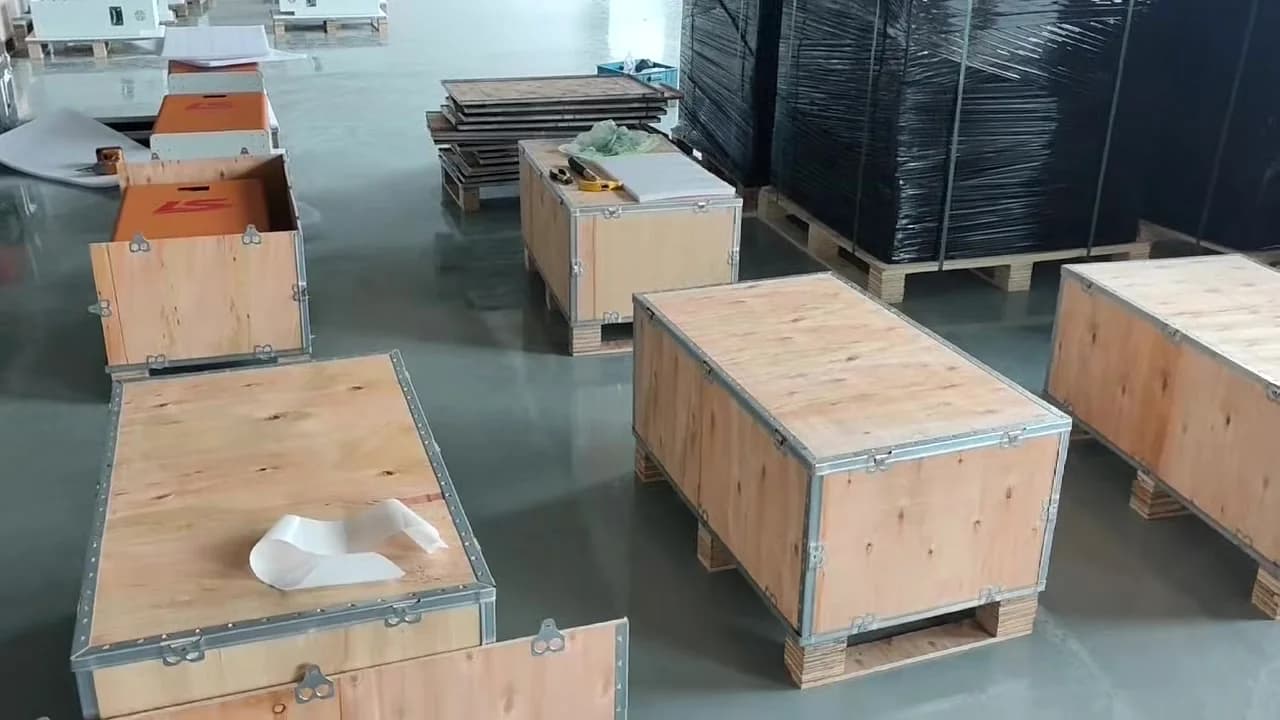
1. Treat the cells as dangerous goods from the first message
Lithium-ion cells shipped on their own are transported as UN3480, Class 9 dangerous goods. Cells packed with or contained in equipment can fall under UN3481 instead; your forwarder confirms the entry for the exact packing. A single 3.2V 314Ah cell holds roughly 1kWh (the EVE MB31 nominal energy is 1004.8Wh), far above the 100Wh level where the lighter lithium battery provisions stop applying. Expect fully regulated handling: specified packaging, Class 9 labels, a dangerous goods declaration and a carrier that accepts the cargo.
This classification affects which forwarder, shipping line and trucking company you can use and how the freight is priced. Mention it in the first enquiry to every logistics provider so the quotation you compare is for dangerous goods, not general cargo.
2. Choose sea or air freight
For multi-cell and kit orders, sea freight is usually reviewed first. Not every shipping line or consolidator accepts Class 9 lithium batteries on every route, so ask early whether a full container or consolidated cargo is possible to your port. Air freight of standalone lithium-ion cells is restricted to cargo aircraft, with a limited state of charge, and few carriers accept large cells; it is rarely practical beyond samples.
| Question | Sea freight | Air freight |
|---|---|---|
| Typical use | Multi-cell and kit orders; the usual starting point for 314Ah cells | Occasional samples, only where a carrier accepts the shipment |
| Main restriction | The shipping line, consolidator and terminal must accept Class 9 lithium batteries | Standalone lithium-ion cells (UN3480) fly on cargo aircraft only, at a limited state of charge |
| Ask the forwarder | Full container or consolidated cargo, destination port charges and dangerous goods trucking from the port | Carrier acceptance, packing instruction, state-of-charge limit and total landed cost |
Vianectra can help review shipping arrangements for your Philippine destination, or coordinate handover to your nominated forwarder. The route, cost and delivery scope are quoted for the specific order; no fixed transit time is promised on this page.
3. Name the destination port and receiving point
State the city and the port you want to use. Manila is the usual gateway for Metro Manila and much of Luzon, and Cebu for the Visayas; other ports may suit projects in Mindanao or outside Metro Manila. Dangerous goods acceptance can differ by terminal and shipping line, so the port is part of the freight question, not a detail for later.
Also plan the last leg. Trucking Class 9 cargo from the port to your warehouse needs a hauler that accepts it, and the receiving site should be ready to unload heavy cases: each 314Ah cell weighs about 5.6kg, so sixteen cells for one 51.2V pack are close to 90kg before packaging. Ask the quotation to state the delivery term, who arranges and pays each leg, and where responsibility passes to your forwarder.
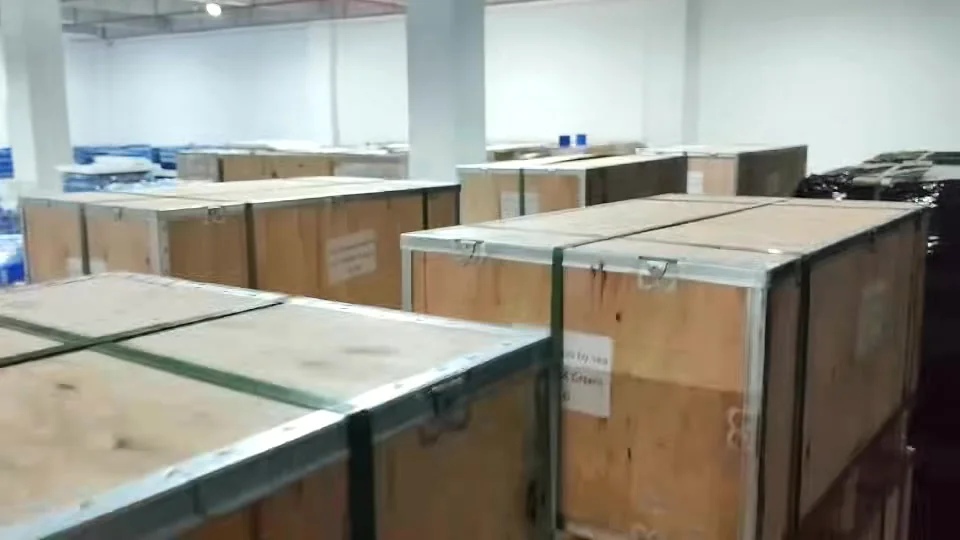
4. Line up the documents before booking
Forwarders and customs brokers usually ask for these documents before they accept or clear a lithium cell shipment:
- Commercial invoice and packing list naming the exact cell model, quantity, net and gross weights.
- UN38.3 test summary for the exact cell model.
- Safety data sheet (SDS, often called MSDS) for the exact cell model.
- Dangerous goods declaration and labels prepared for the shipment by the shipper and forwarder.
- Bill of lading or air waybill issued by the carrier or forwarder.
- The model specification, available on request through the quotation conversation.
Document availability and version are confirmed for the exact model and order before you commit. Send the list your broker gives you with the RFQ, so any gap is visible in the quotation rather than at the port.
5. Customs basics in the Philippines
Imports are cleared through the Bureau of Customs. The importer of record generally needs to be registered with the Bureau of Customs, and a licensed customs broker usually lodges the import entry. Lithium-ion cells are commonly classified under HS heading 8507.60; your broker confirms the final tariff code, the duty rate and the 12% value-added tax computed on the landed value.
Ask your broker two further questions before ordering: whether a preferential duty rate could apply and which certificate of origin it would need, and whether any product certification, permit or clearance applies to your product classification. Then ask whether the required certificate or document can be provided for the order; we confirm that in writing rather than assuming it.
Send an RFQ a forwarder can work with
Include the exact cell model, quantity, destination city and port in the Philippines, purchase timing, and whether you have a forwarder or need shipping assistance. For a kit, add the inverter brand and model. If your broker has given you a document list, paste it into Additional requirements.
Open the Philippines cells RFQCompare model-specific 314Ah cells or the 51.2V 314Ah assembly kit with JK BMS. Before comparing offers, read Grade A vs Grade B 314Ah cells; to decide how many packs a site needs, read sizing a 51.2V 314Ah pack for Philippine brownouts. Destination notes are also summarised on the Philippines sourcing section.
Source note: transport and customs points are general information for planning and must be confirmed by your licensed customs broker and forwarder for the actual shipment. Cell figures come from model-specific records shown on the cells page. No price, freight cost, transit time, document or clearance outcome is implied.