This guide is for battery assemblers, storage brands, installers and distributors confirming their own pack design and assembly arrangements. A finished-battery photo may show cells, case, display and BMS together; it does not establish what a particular order includes. This is a sourcing comparison, not an installation manual.
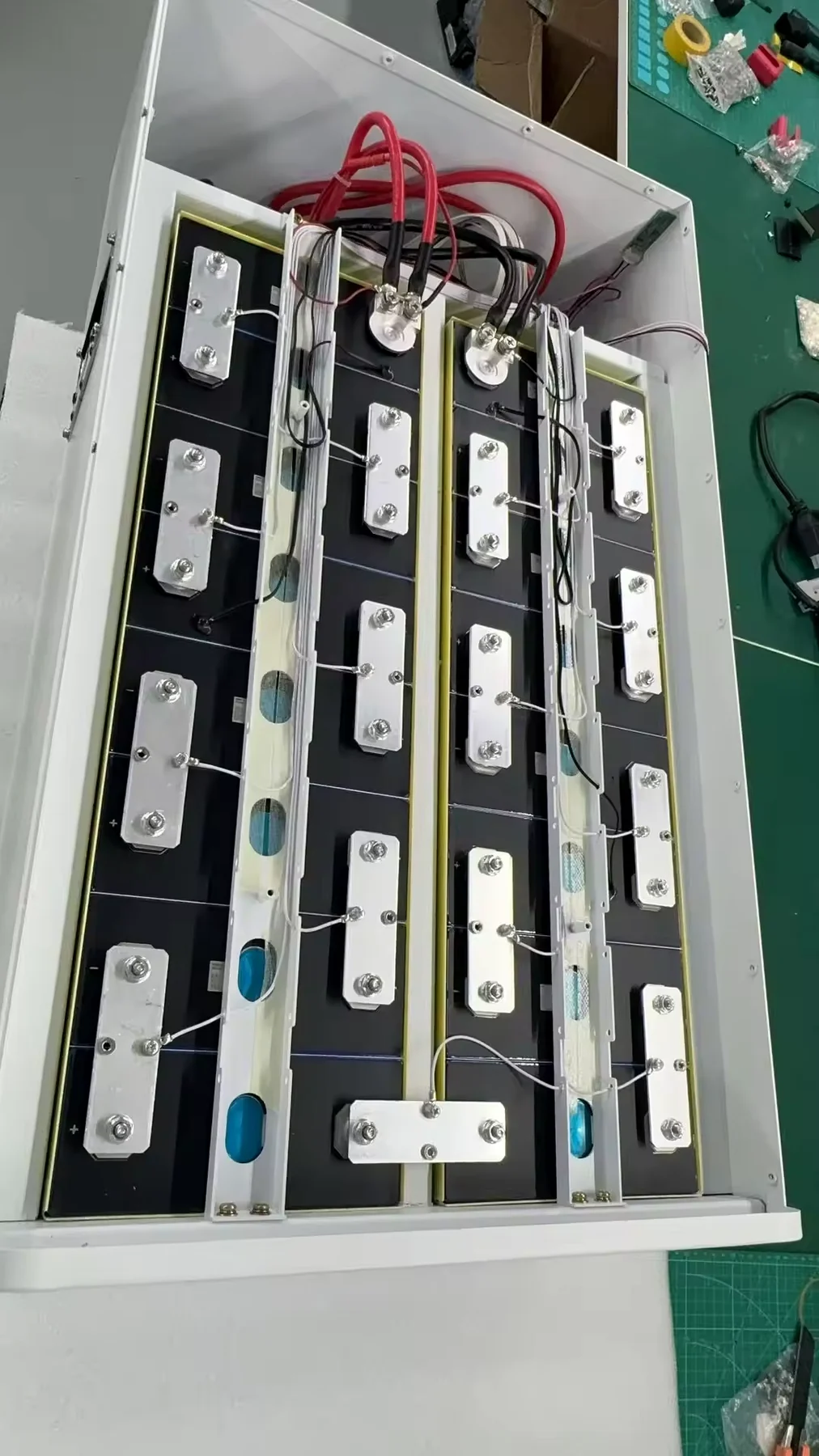
Route 1: 314Ah cells only
Choose cells only when your team has selected an enclosure and battery management system, or approves each component separately. Start with an exact model rather than the capacity label alone. Current model references include EVE MB31, Sunwoda SBP-01-3140 and CALB L173F314A. All are nominal 3.2V prismatic LFP cells, but their dimensions, terminals and specification test conditions differ. Equal nominal capacity does not establish mechanical interchangeability.
Ask for the applicable model specification and confirm the actual batch information, terminal configuration, quantity, destination and packing proposal. Documentation availability and version are confirmed during quotation. A photographed batch is not guaranteed current stock. Compare model-specific 314Ah cells or start a cells RFQ.
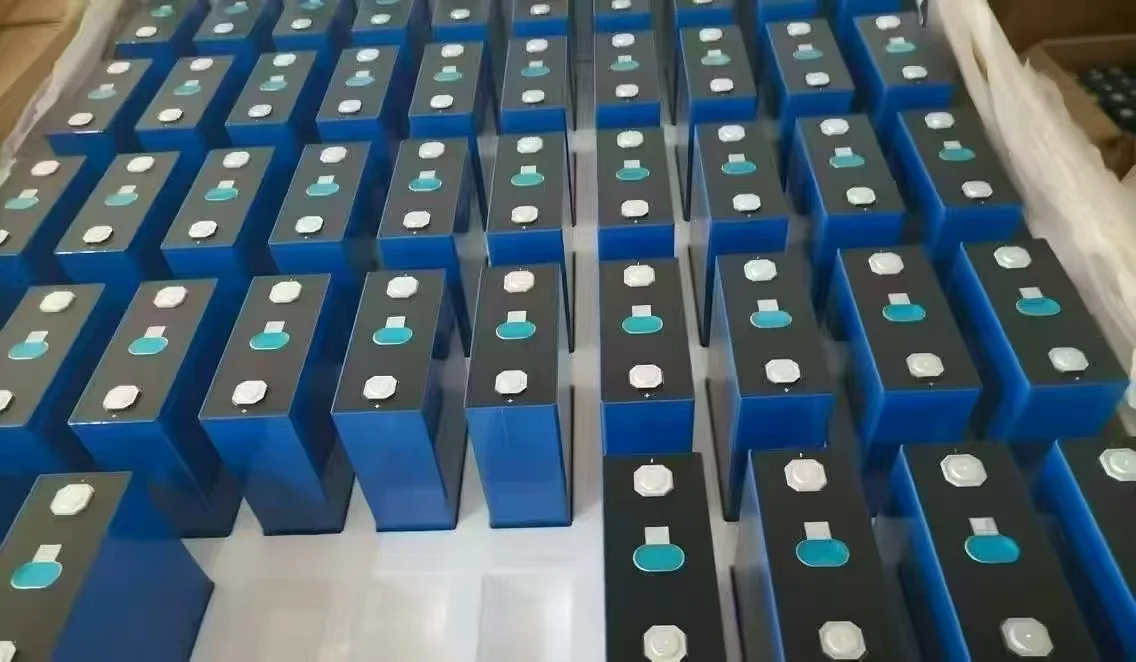
Route 2: Assembly components without cells
Choose this route when you control cell sourcing. A quotation can cover a floor-standing enclosure, JK BMS and selected electrical and assembly accessories. The written parts list should name the enclosure, BMS model and current, display, breaker, busbars, wiring, insulation and exclusions. Pictured components are references until included in the quotation.
Send the exact cell model, dimensions including terminals, terminal positions and planned 16-cell layout for a fit review. If inverter communication matters, provide the inverter brand and model. CAN or RS485 labels alone do not prove protocol compatibility. Review the enclosure and JK BMS kit, then use the without-cells checklist to prepare the RFQ.
Route 3: Cells and components coordinated together
This route lets the cell model, case, BMS and accessories be reviewed as one project. It may combine sixteen model-specific 314Ah cells with a 16S enclosure and electrical package, subject to supply and shipping review. Sixteen nominal 3.2V cells in series give 51.2V; at 314Ah, the nominal energy calculation is approximately 16.08kWh. This arithmetic is not usable energy, output rating or certification for an assembled battery.
Coordination does not remove model-specific checks. Cell dimensions and terminals must be reviewed against the layout and connections; BMS current and communication depend on the intended system. Packing cells inside an enclosure, if requested, requires separate configuration and transport review.
Compare the purchasing scopes
| Question | Cells only | Without cells | Cells plus components |
|---|---|---|---|
| Main item | Exact cell model and quantity | Enclosure and electrical parts list | Cell model plus proposed parts list |
| Known before RFQ | Existing pack design or next approval step | Buyer-owned cell model, dimensions and terminals | Intended 16S arrangement and system requirements |
| Easy to overlook | Batch, terminals and packing | Excluded accessories and physical fit | Assumed compatibility between parts |
| Written quotation | Model, quantity and order conditions | Inclusions, exclusions and BMS specification | Both lists, packing and delivery scope |
Prepare a useful enquiry
State your business role, quantity, destination country and city, target purchase window and chosen scope. Add exact cell and inverter models where known. If a requirement is open, say so instead of guessing. For a without-cells kit, select “BMS, enclosure and connection parts without cells” under Assembly scope in the RFQ.
Vianectra collects the initial sourcing enquiry; the technical and commercial scope is confirmed in the quotation conversation.
Start the relevant RFQSource note: model references come from model-specific records held for this project. The kit scope reflects the current assembly kit page. No price, stock, universal compatibility or transport promise is implied.